
REVIEW · VERSAILLES
Historical treasure hunt in the city of Versailles
Book on Viator →Operated by Jeu de piste / mysteries hunt · Bookable on Viator
A walking mystery beats another audio guide. In this Versailles treasure hunt, you follow a timed plot around Louis XIV’s court and try to identify the culprit behind a brewing poisoning attempt.
I especially like how it stays light on feet-work stress: you get a welcome briefing, then you’re set loose to figure things out independently for about 2 hours. It also routes you through the historic town atmosphere of Versailles, not just another stop-and-stare around the palace.
One drawback to know: the hunt relies on puzzles, and some of them can feel tricky or a bit far-fetched—so it helps if you enjoy teamwork and reading clues carefully.
In This Review
- Key things you should know before you go
- A murder-mystery walk through Versailles that feels more like a game than a lecture
- Story setup: D’Artagnan, a poison plot, and eight court suspects
- Starting point by the equestrian statue of Louis XIV: the briefing that gets you moving
- How the clue walk through Versailles works in practice
- The big payoff: putting the suspects together (Madame de Montespan, the Iron Mask, and more)
- Timing it with your Versailles day: 2 hours that don’t eat your whole afternoon
- Price and value: what $30.10 buys you in a 2-hour mystery
- Group size, language, and the mobile-ticket setup
- Rain, tricky puzzles, and the one thing you should mentally prepare for
- Who this is best for (and who might want something else)
- Should you book this Versailles historical treasure hunt?
- FAQ
- How long is the Versailles treasure hunt?
- Is the experience offered in English?
- Where do I meet, and where does it end?
- What kind of ticket do I receive?
- What is the group size limit?
- What fitness level do I need?
Key things you should know before you go

- Cluedo-style on-foot format: you investigate, compare clues, and unmask a culprit rather than just listen.
- A focused cast of eight suspects: including Madame de Montespan, the Iron Mask, and the king’s brother.
- Independent investigation time: after the welcome, you roam for roughly 2 hours.
- A strong first impression from guides: Arthur and Cyril were called out for punctual, friendly guidance.
- Good family chemistry with teamwork: it works for kids, but they may need to be part of a team plan.
- Puzzles can be challenging: plan to slow down and collaborate, especially with teens or kids.
A murder-mystery walk through Versailles that feels more like a game than a lecture
Versailles can be intense. Even if you love palaces, there’s a point where your brain wants a break from grand rooms and long lines. This experience gives you a different kind of Versailles time: you’re out in the city solving a mystery while the history acts like the supporting cast.
The story starts with D’Artagnan, captain of the guards of King Louis XIV, faced with what sounds like his toughest assignment. You’re in the middle of a countdown. Someone is trying to poison the king, and time matters. That tension is a smart choice. It pushes you to keep moving, pay attention, and connect clues instead of drifting like you might on a regular stroll.
Another thing I like: you don’t just read about the court—you actively investigate its people. The culprit is chosen from a set of eight prominent personalities, which helps the game feel anchored. It turns names you’ve heard before into actual decision points you have to reason through.
Just keep your expectations aligned. This isn’t a guided tour where every step is explained. It’s a self-driven hunt after a trainer sets you up, so you’ll do more thinking on your own than being told what to see.
If you're still narrowing it down, here are other tours in Versailles we've reviewed.



Story setup: D’Artagnan, a poison plot, and eight court suspects
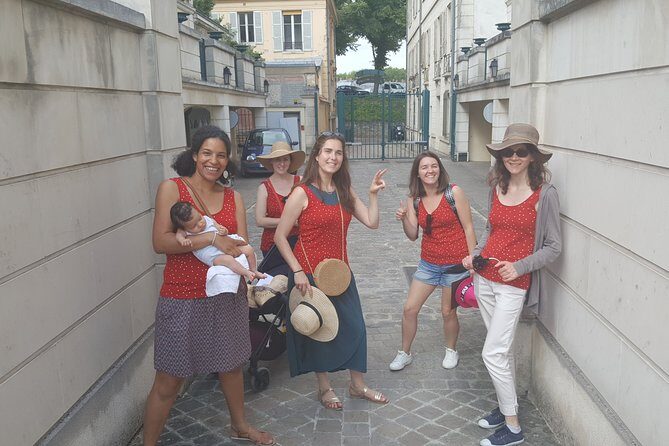
The premise is classic detective fiction, dressed in Versailles attire. D’Artagnan is pulled into a case: a poisoning attempt is brewing, and the king is at risk. From there, the hunt becomes a question of identity. Who is involved, and what evidence points to the culprit?
You’ll be investigating among eight prominent personalities tied to Louis XIV’s world. The lineup includes figures such as Madame de Montespan, the Iron Mask, and the king’s brother. Even if you’re not a deep researcher, that mix is enough to spark curiosity. It gives you a reason to look twice at what you see around you and match it to what the clues suggest.
Why this story approach works: it makes history feel like a problem you solve, not facts you memorize. You end up remembering connections because your brain had to build them on the spot.
Starting point by the equestrian statue of Louis XIV: the briefing that gets you moving
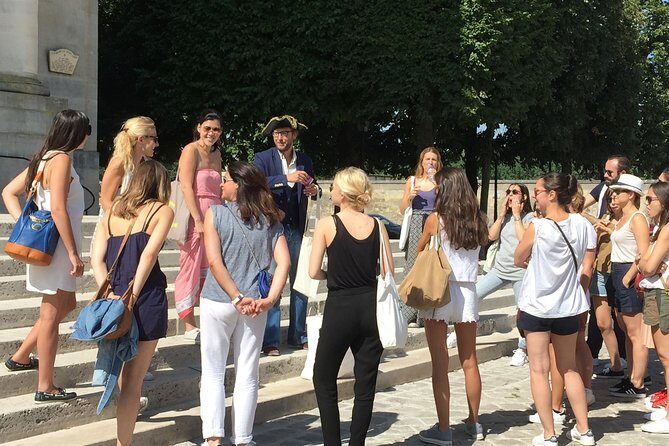
The meeting point is the equestrian statue of Louis XIV in Versailles (78000). You start at 1:00 pm, and the activity ends back at the same place.
When you arrive, you’re welcomed by your investigator trainer. This part matters more than it sounds. A good briefing does two things:
- It explains how the hunt flows so you don’t waste time later.
- It gives you the materials you need (you’ll have a mobile ticket, and you’ll receive a document/instructions as part of the setup).
In particular, Arthur was noted for being punctual, flexible, and kind. Cyril was described as on time and friendly, too. That kind of start helps a lot because the rest of the experience is largely independent. If you’re left confused at minute five, the puzzle time can feel longer than it should.
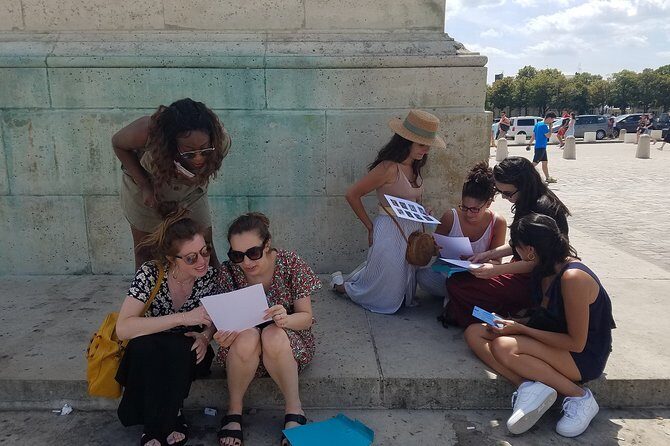
Once the trainer hands you what you need, you head out on your own for about 2 hours. You’re not being shepherded every step, which is great if you want freedom. It also means you should be ready to slow down and read clues as you walk.
How the clue walk through Versailles works in practice
You’re investigating by moving around the historic city of Versailles and using the hunt format to narrow down who’s responsible. The structure is simple:
- Follow the clues.
- Collect answers as you go.
- Use what you’ve learned to unmask the culprit from the set of eight.
Because the experience is self-guided during the main block of time, you control your pacing. That’s one reason people like it right after (or alongside) palace visits. Instead of continuing to march through rooms, you shift to streets and small discoveries.
What you’ll likely feel while doing it:
- A steady rhythm of walk, pause, read, compare.
- Short bursts of excitement when something clicks.
- The occasional moment where you realize the answer is hidden in the wording, not the first thing you noticed.
One useful note from the overall vibe of the experience: it can require teamwork. A group that solved it quickly isn’t necessarily smarter—it’s often just more organized. If you’re with others, decide early how you’ll work the document:
- One person reads the next clue out loud.
- Another checks the options.
- Someone else keeps track of the current suspect theory.
That approach makes a difference, especially if you’re bringing kids or teens. One family did the hunt with an 11-year-old, but it worked best as a team effort, not a solo challenge for the child.
The big payoff: putting the suspects together (Madame de Montespan, the Iron Mask, and more)
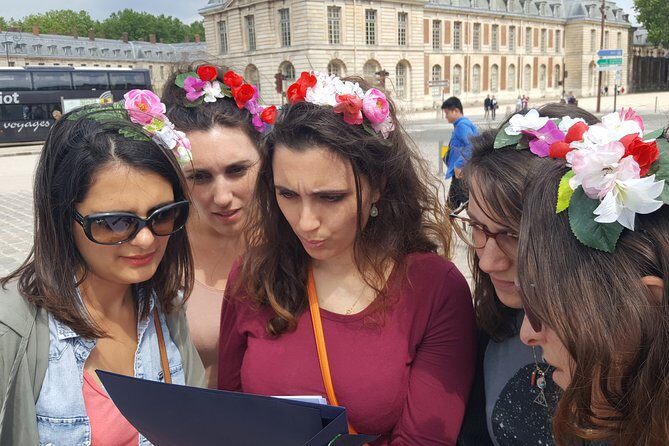
The game focuses on identifying the culprit among eight major personalities. The included names aren’t random. They’re familiar enough to give you momentum and make the mystery feel like it belongs in Versailles, not generic story padding.
Madame de Montespan is one example. She’s a figure tied to court life in the Louis XIV era, so she naturally fits a plot involving power, influence, and danger. The Iron Mask is another. Even if you only know the broad idea, it adds instant intrigue and helps the hunt stay playful instead of heavy.
And then there are other court-connected figures, including the king’s brother. Having multiple named personalities gives you a range of possibilities, and the clues help you test them against the story’s evidence.
Here’s what to take advantage of while playing:
- Don’t race to an answer too early. The puzzles are designed to push you to connect details.
- If you get stuck, slow down and re-read the clue wording. A small phrasing change can flip your logic.
- If you’re traveling in a group, compare interpretations. One person might notice something the others walked past.
The final “unmasking” moment is the payoff. It’s where the hunt stops being wandering-with-a-paper and turns into a real conclusion you can defend.




Timing it with your Versailles day: 2 hours that don’t eat your whole afternoon
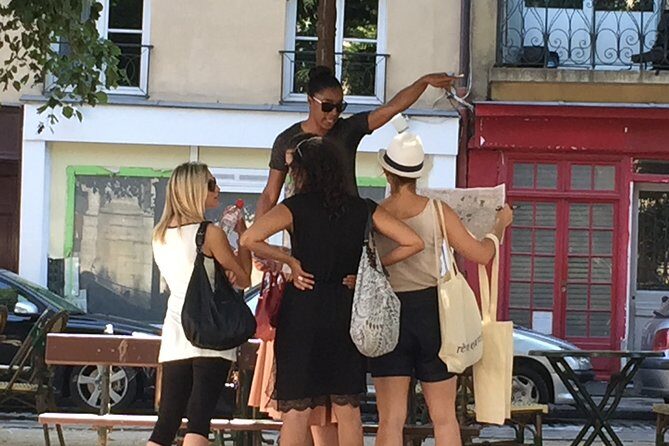
This experience is about 2 hours and takes place around your 1:00 pm start. That timing works well if you have already planned a palace visit earlier (or if you want something afterward without scheduling a full extra museum block).
Why it’s a smart add-on:
- It keeps you outside, walking through the city feel rather than adding another long indoor itinerary.
- It adds a different kind of engagement: problem-solving instead of viewing.
- You’re done while you still have energy to keep exploring Versailles on your own terms.
Also, you’ll be near public transportation. That helps if you’re mixing this with other parts of your day and want a clean exit plan.
Price and value: what $30.10 buys you in a 2-hour mystery
The price is $30.10 per person. For two hours, you’re paying for the whole package: the mobile ticket, the themed story framework, the trainer welcome, and the structure that turns ordinary streets into a guided challenge.
Is it worth it? In my opinion, it makes sense if you like interactive activities and you want something lighter than a museum-only day. The value improves if:
- You have limited time and want a memorable activity without adding another big timed-entry attraction.
- You enjoy puzzles or enjoy learning through games.
- You’re traveling with teens or kids old enough to read clues and collaborate.
Also note the group size cap: maximum 20 travelers. A smaller group generally means the trainer briefing feels less rushed, and the experience can stay organized even though it’s independent afterward.
Group size, language, and the mobile-ticket setup
The hunt is offered in English, and it’s delivered with a mobile ticket. The activity has a maximum of 20 travelers, which is good news if you want the start to feel orderly.
The experience also allows service animals. If you’re planning around transit, it’s near public transportation, so you’re not locked into a complicated route just to arrive.
Fitness level is described as moderate. You’ll be walking for about two hours, and the clue format encourages stopping and restarting. If you’re comfortable with an urban walking pace, you’ll likely be fine. If you have mobility limits, you’ll want to think about how puzzle-stops affect your stamina.
Rain, tricky puzzles, and the one thing you should mentally prepare for
Versailles weather can be unpredictable. The experience is described as requiring good weather, and if it’s canceled due to poor weather you’ll be offered another date or a full refund.
Even when the rain hits, people still reported having a great time. The tone from the experience is that it’s meant to be done with a flexible mindset. Bring a rain layer and be ready for slower walking.
As for the tricky part: puzzles can be challenging, and some solutions may feel a bit less obvious than you’d like. One family found their 11-year-old could participate, but not without teamwork. Another group appreciated the concept and fun, but noted that some enigmas are sometimes stretched.
So here’s the practical takeaway: don’t treat it like a test you must beat alone. Treat it like a group game where the fun is in arguing, testing, and eventually agreeing on the culprit.
Who this is best for (and who might want something else)
This works especially well for:
- Adults who want something active after a palace visit.
- Families with older kids/teens, as long as you’re ready to do a bit of shared solving.
- Groups who like to laugh at the confusion moments instead of getting frustrated.
It’s also a nice fit if you already know the big Versailles headline attractions and you want more texture from the surrounding city. In fact, people specifically liked that the hunt led them to see the historical town side of Versailles outside the palace focus.
If you prefer constant commentary from a guide or you want every single stop explained without puzzles, this may feel too self-directed. The experience gives you a strong start, then you do the work. That’s the trade-off.
Should you book this Versailles historical treasure hunt?
Book it if you want a 2-hour, English activity that turns Versailles streets into a real mystery game. It’s good value when you like puzzles, you’re traveling with others, and you want to avoid another purely lecture-style outing.
Skip it (or consider another option) if:
- You hate walking for a sustained block even when it’s light and urban.
- You get annoyed by puzzles that require careful reading and group discussion.
- You only want a fully guided, step-by-step sightseeing tour with no investigative work.
If your day includes the palace and you still have time left, this is a smart way to use it. It’s one of those activities that makes the city feel personal because you’re solving it, not just passing through it.
FAQ
How long is the Versailles treasure hunt?
It lasts about 2 hours.
Is the experience offered in English?
Yes, it is offered in English.
Where do I meet, and where does it end?
You meet at the equestrian statue of Louis XIV in Versailles (78000) and the activity ends back at the same meeting point.
What kind of ticket do I receive?
You receive a mobile ticket.
What is the group size limit?
The experience has a maximum of 20 travelers.
What fitness level do I need?
A moderate physical fitness level is recommended, since it involves walking around the city for about 2 hours.